
We have just come back from holiday where plant based foods were offered just as much as the meat and fish options and we really enjoyed choosing them. Since being home, we have decided to eat more of the same, cutting down on meat.
Plant-based diets are those which are predominantly made up of wholegrains (including wholegrain cereals, breads and pasta, oats and rice), fruits and vegetables, nuts, seeds, beans and pulses. These foods offer a wide range of nutrients, including fibre, vitamins and minerals and can provide essential fats and protein.
It doesn’t necessarily mean that you need to give up all forms of meat, just that you give greater consideration to plant based foods in your diet.
How many plant-based foods should you be aiming for?
- Aim for a minimum of 5 fruits and non-starchy vegetables per day – that’s 80g per portion or 400g per day
- Try to eat a diet that provides at least 30g of fibre per day
- Plant-based foods should make up the majority of your diet
How can you increase the amount of plant-based foods that you eat?
- Aim to eat a variety of plant based foods – opting for wholegrain versions of rice, breads and pasta where possible
- Increase your intakes of beans, pulses/legumes
- Try to include a plant-based option with every meal so that you build in plant based foods throughout the day
- Choose plant based snacks e.g. fruits, dried fruits and vegetables – aim to eat a “rainbow” of colours so that you are getting a range of different nutrients.
Try making the usual side dishes, the main one!
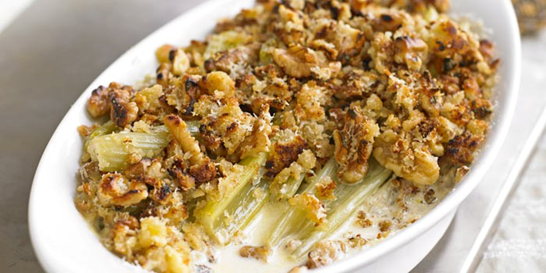
Celery Gratin Oven 200C
- 1/2 head of celery, trimmed and cut into short lengths
- 25g butter
- 1 small onion, chopped
- 25g plain flour
- ½ teasp dry mustard
- 150ml milk
- 75g cheddar cheese
- 25g breadcrumbs
Bring a large pan of salted water to the boil and add the celery. Cover and simmer for 20 minutes. Drain, reserving the water. Put the celery into a shallow dish. Melt the butter in a pan, add the onion and cook till soft. Add the flour and mustard, stirring for a minute. Remove from the heat and gradually stir in the milk and 150ml of reserved cooking water. Return to the heat and bring to the boil, stirring until the sauce is thick. Stir in half the grated cheese and pour over the celery.* Mix together the remaining cheese and breadcrumbs and sprinkle over. Bake for 30 minutes and serve, garnished with tomato wedges.
*This will probably be too much sauce – but it’s impossible to make the ingredients less! Fortunately, any left over will freeze in a small container – for the next time you do this.
Sesame Cabbage
- ½ cabbage, shredded
- 5 dessertspoon white wine or cider or water
- ¼ teasp grated nutmeg
- 25g butter
- 1 tablespoon sesame seeds
- 1 teasp cumin seeds
- 1 teasp fennel seeds
Put the cabbage in a saucepan with wine/cider/water and nutmeg. Cover and simmer for 10 minutes until tender, but till crisp. Melt the butter in a small pan. Add the seeds and cook until golden. Transfer the cabbage and juices to s serving dish and stir in the seeds and butter.
Carrots with lemon sauce
- 350g carrots
- 1/2 lemon
- 1/2 teasp granulated sugar
- 25g butter
- 100ml fromage frais
- 1 teaspoon fresh chopped dill
- 1/2 tablespoon chopped parsley
Carrots with lemon sauce
- 350g carrots
- 1/2 lemon
- 1/2 teasp granulated sugar
- 25g butter
- 100ml fromage frais
- 1 teaspoon fresh chopped dill
- 1/2 tablespoon chopped parsley
Slice the carrots into large matchsticks. Zest the rind from the lemon and squeeze the juice. Put 3 tablespoon water, lemon juice, sugar and butter into a large pan. Heat gently until the butter melts and add the carrots. Bring to the boil, cover and simmer for 10 – 12 minutes until tender. Arrange carrots onto a serving dish, reserving the cooking juices. Mix the fromage frais, 5 tablespoons of cooking juice and seasoning and heat gently. Pour a little of the sauce over the carrots and sprinkle with dill and parsley and lemon zest. Serve the rest of the sauce separately.
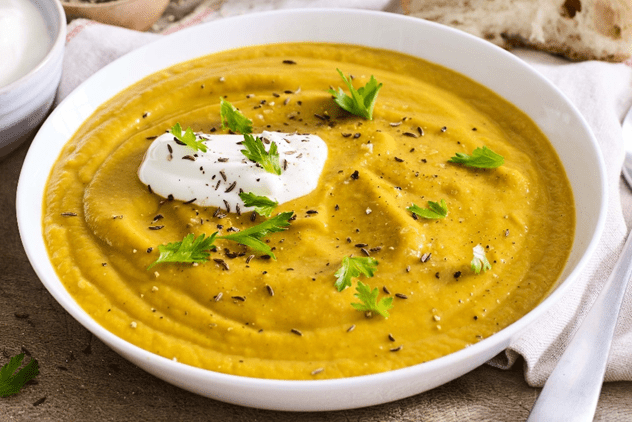
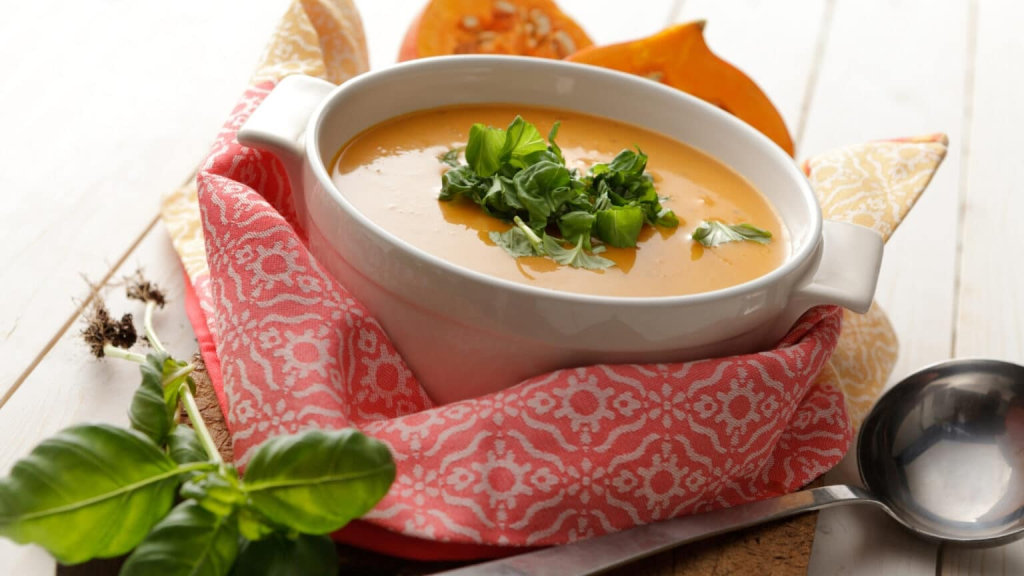
Spiced Carrot and Lentil Soup
- 1 tablespoon butter
- 1 onion, finely chopped
- 1 -2 cloves of garlic
- 1 dessertspoon grated ginger
- 1/4 teaspoon each chilli flakes, ground turmeric, ground coriander, ground cumin
- 2 -3 carrots, peeled and chopped
- 1 tin chopped tomatoes
- 160g red lentils
- 500ml vegetable stock
Melt the butter in a saucepan and gently fry the onion, ginger and spices and cook until soft. Add the carrots, lentils and stock and slowly bring to the boil. Cover and simmer for about 40 minutes until tender. Serve, with toasted sourdough, in a bowl with a swirl of yogurt and mint or parsley for garnish.



 Ailsa cooks for One